
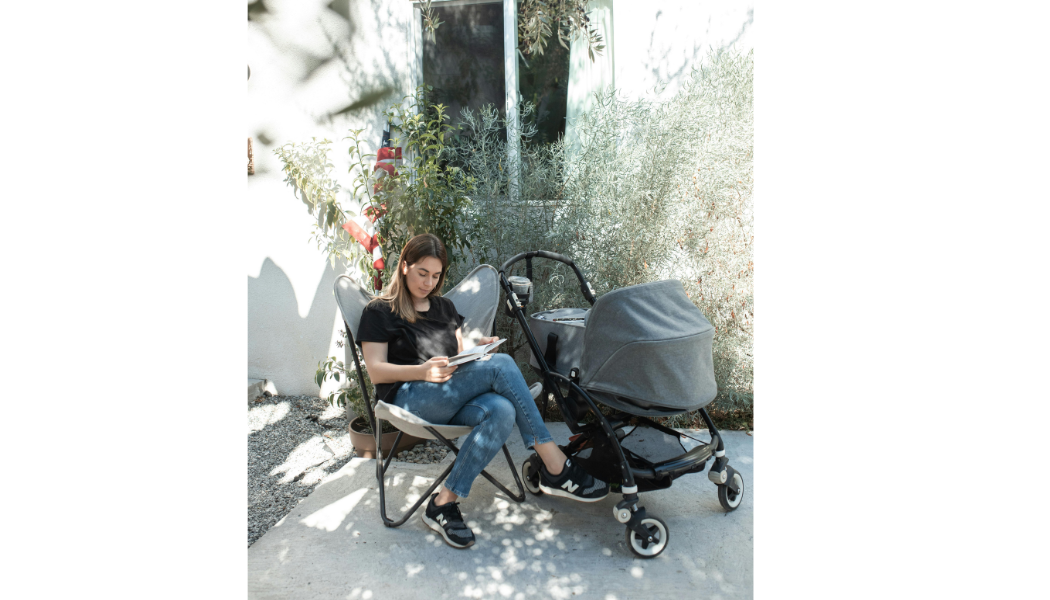
Your baby is finally asleep. The house is quiet. You have a rare moment to yourself. This is your chance to relax, right?
Except you can’t. Your body won’t let you. Your mind is racing through everything you need to do, everything that could go wrong, everything you forgot. Your muscles are tense. Your heart is beating faster than it should. You’re exhausted but wired, desperate for rest but unable to actually relax.
Maybe you’re sitting on the couch scrolling your phone but not really seeing anything. Or you’re lying in bed trying to sleep but your brain won’t turn off. Or you finally have time for a shower but you rush through it because you can’t shake the feeling that something needs you.
You want so badly to just… relax. To take a deep breath and actually feel calm. But your body and mind seem to have forgotten how.
If this sounds familiar, you’re not alone. The inability to relax postpartum is incredibly common—and there are real reasons why it’s happening to you.
In This Article
- Why you can’t relax after having a baby
- What happens when you can’t relax
- How to start relaxing again
- When to seek professional help
- Why your nervous system needs time to recover
You may also find helpful:
- Postpartum Anxiety vs Baby Blues: How to Tell the Difference
- Why Do I Feel So Angry After Having a Baby? (Postpartum Rage Explained)
- Why Am I So Overstimulated as a Mom?
- Postpartum Hormones: Your Complete Timeline Guide
Why You Can’t Relax After Having a Baby
Your inability to relax isn’t a character flaw or a sign that you’re doing something wrong. It’s your body and brain responding to massive changes and new demands. Here’s what’s going on:
Your Nervous System Is Stuck in High Alert
When you become a mother, your nervous system shifts into a hypervigilant state. You’re biologically wired to be alert to your baby’s needs, to wake at the slightest sound, to scan constantly for danger. This is called being in “sympathetic nervous system activation”—basically, your fight-or-flight response is always at least partially turned on.
This state was designed to be temporary—a response to immediate danger. But with a newborn, the perceived “danger” (your baby needing you) is constant. So your nervous system stays activated, making it nearly impossible to relax even when you have the opportunity. Many mothers experience this same nervous system overload alongside symptoms like anger or sensory overload.
If that resonates, you might also relate to Why Do I Feel So Angry After Having a Baby? (Postpartum Rage Explained) or Why Am I So Overstimulated as a Mom?
Sleep Deprivation Has Rewired Your Brain
Chronic sleep deprivation doesn’t just make you tired—it actually changes how your brain functions. When you’re sleep-deprived:
- Your stress hormones (cortisol and adrenaline) stay elevated
- Your ability to regulate emotions decreases
- Your brain stays in a more aroused state
- You develop “hyperarousal insomnia” where you can’t sleep even when exhausted
Your body is running on stress hormones to keep you functioning, which makes relaxation physiologically difficult.
You’ve Lost Trust in Your Ability to Rest
Before baby, if you needed rest, you could rest. Now? You never know when your baby will wake up crying, need to be fed, or require immediate attention. Even when you try to relax, part of your brain is waiting for the next interruption.
This constant anticipation of being needed keeps your body in a state of readiness. You can’t fully let go because you might need to spring into action at any moment.
Hormones Are Playing a Role
Your postpartum hormones affect your ability to relax:
- Cortisol (stress hormone) often remains elevated
- Oxytocin creates bonding but also hypervigilance toward your baby
- Adrenaline keeps you alert and functioning despite exhaustion
- Fluctuating estrogen and progesterone affect mood and anxiety levels
These hormonal changes are designed to help you care for your baby, but they work against your ability to relax.
The Mental Load Is Overwhelming
Even when you’re “doing nothing,” your brain is working:
- Remembering when the baby last ate
- Mentally planning the next feeding, diaper change, nap
- Worrying about developmental milestones
- Running through your to-do list
- Calculating how much sleep you might get
- Monitoring sounds for signs the baby is waking up
This constant mental processing makes it impossible for your mind to truly rest.
You’re Dealing with Postpartum Anxiety
For many women, the inability to relax is actually a symptom of postpartum anxiety. If you’re also experiencing:
- Racing thoughts
- Excessive worry about your baby
- Physical tension or panic symptoms
- Intrusive thoughts
- Trouble sleeping even when you’re exhausted
You might be dealing with postpartum anxiety, which is treatable with professional support.
You Feel Guilty for Resting
There’s also a psychological component. Many moms feel guilty taking time to relax when there’s always something that “should” be done. You tell yourself:
- “I should be doing laundry”
- “I should be pumping”
- “I should be spending this time with the baby”
- “Other moms don’t need breaks”
This guilt creates stress that prevents you from actually relaxing even when you have the chance.
What Happens When You Can’t Relax
The inability to relax isn’t just uncomfortable—it has real consequences:
Physically: Chronic tension leads to headaches, muscle pain, digestive issues, weakened immune system, and increased inflammation.
Mentally: Your anxiety increases, brain fog worsens, decision-making becomes harder, and memory problems develop.
Emotionally: You’re more irritable, more prone to anger or crying, less patient with your baby and partner, and at higher risk for depression.
Long-term: Chronic stress and inability to relax can lead to burnout, worsening mental health, and physical health problems.
Learning to relax isn’t just about feeling better in the moment—it’s about protecting your health and wellbeing.
How to Start Relaxing Again
You can’t just flip a switch and suddenly relax, but you can gradually teach your nervous system that it’s safe to calm down.
Intentional Deep Breathing
Your breath is the fastest way to signal to your nervous system that you’re safe. Try this:
- Breathe in slowly for 4 counts
- Hold for 4 counts
- Breathe out slowly for 6-8 counts
- Repeat 5-10 times
The longer exhale activates your parasympathetic nervous system (your “rest and digest” mode).
Progressive Muscle Relaxation
Tense and release each muscle group:
- Squeeze your fists tight for 5 seconds, then release
- Tense your shoulders, then drop them
- Clench your jaw, then let it go loose
- Work through your whole body
This helps release physical tension and teaches your body what relaxation feels like.
Create a “Permission to Rest” Ritual
Give yourself explicit permission to relax:
- Say out loud: “It’s okay for me to rest right now”
- Set a timer for 10 minutes of guilt-free rest
- Remind yourself: “Taking care of myself helps me take care of my baby”
Sometimes you need to actively override the guilt before you can relax.
Limit Stimulation
You can’t relax if you’re still taking in stimulation:
- Put your phone in another room
- Turn off the TV
- Close your eyes
- Sit in a quiet space
- Reduce visual clutter
Less input = easier to calm down.
Movement for Release
Sometimes you need to discharge nervous energy before you can relax:
- Take a walk (even just around the house)
- Do gentle stretching or yoga
- Shake out your body
- Dance to one song
Physical movement can help release built-up stress.
Practice “Micro-Relaxation” Moments
If you can’t do a full relaxation session, do tiny moments throughout the day:
- Close your eyes for 30 seconds while baby naps
- Take 3 deep breaths before picking up your baby
- Feel your feet on the floor for 10 seconds
- Roll your shoulders back once an hour
These micro-moments add up and teach your nervous system that relaxation is possible.
Accept Imperfect Relaxation
You might not achieve the deep, restorative relaxation you had before baby. That’s okay. Even partial relaxation—lowering your stress level from an 8 to a 6—is worthwhile and beneficial.
Let go of comparing your current relaxation ability to your pre-baby baseline. You’re working with different circumstances now.
When to Seek Professional Help
If your inability to relax is severe or accompanied by other symptoms, it’s time to talk to your healthcare provider.
Seek help if:
- You can’t sleep at all, even when exhausted
- You’re having panic attacks or severe physical anxiety symptoms
- Your racing thoughts are constant and intrusive
- You can’t enjoy any moments with your baby
- You’re avoiding sleep because you’re too anxious
- You’re having thoughts of harming yourself or your baby
- Your anxiety is getting worse instead of better
- You can’t function in daily life
Postpartum anxiety is real, common, and highly treatable. Therapy (especially Cognitive Behavioral Therapy) and medication can both be effective. You don’t have to white-knuckle your way through this.
Give Yourself Time and Grace
Here’s what you need to hear: your nervous system has been through something enormous. Pregnancy, childbirth, and new motherhood are some of the most physiologically stressful experiences a human can have. Your inability to relax is your body’s way of trying to protect you and your baby.
You’re not broken. You’re not failing. Your body is doing exactly what it’s been designed to do—it’s just stuck in that mode.
It will get better. As your baby gets older, sleeps more predictably, and needs you less intensely, your nervous system will gradually learn to relax again. For most women, this improves significantly around 3-6 months postpartum and continues to get better throughout the first year.
In the meantime:
- Practice deep breathing daily
- Take micro-moments of rest when you can
- Ask for help so you can have true breaks
- Lower your standards for everything else
- Consider therapy if anxiety is severe
- Be patient with yourself
You will relax again. You will feel calm again. You will remember what it’s like to take a deep breath and actually feel peaceful. It just takes time for your nervous system to recalibrate.
For now, be gentle with yourself. You’re doing something incredibly hard on very little sleep with a completely rewired nervous system. The fact that you want to relax shows you’re taking care of yourself—even if you can’t quite get there yet.
You’re doing better than you think you are, mama. Even when your shoulders are up by your ears and your mind won’t stop racing. You’re doing just fine.
References
- National Institute of Mental Health. (2024). Understanding Stress and the Nervous System in New Parents. NIMH Publications. https://www.nimh.nih.gov/health/topics/stress
- Postpartum Support International. (2024). Postpartum Anxiety: Symptoms and Treatment. PSI Resources. https://www.postpartum.net/learn-more/postpartum-anxiety/
- Journal of Clinical Sleep Medicine. (2023). Sleep Disruption and Hyperarousal in the Postpartum Period. JCSM, 19(4), 567-580.
- American Psychological Association. (2023). The Maternal Nervous System: Hypervigilance and Recovery. APA Clinical Resources. https://www.apa.org/topics/parenting/maternal-stress
- Cleveland Clinic. (2024). Postpartum Anxiety and Inability to Relax: What to Know. Cleveland Clinic Health Library. https://my.clevelandclinic.org/health/symptoms/postpartum-anxiety
Remember: This article is for informational purposes only and doesn’t replace medical advice from your healthcare provider. If you’re experiencing severe anxiety or inability to function, please reach out to your healthcare provider or call the Postpartum Support International helpline at 1-800-944-4773.